




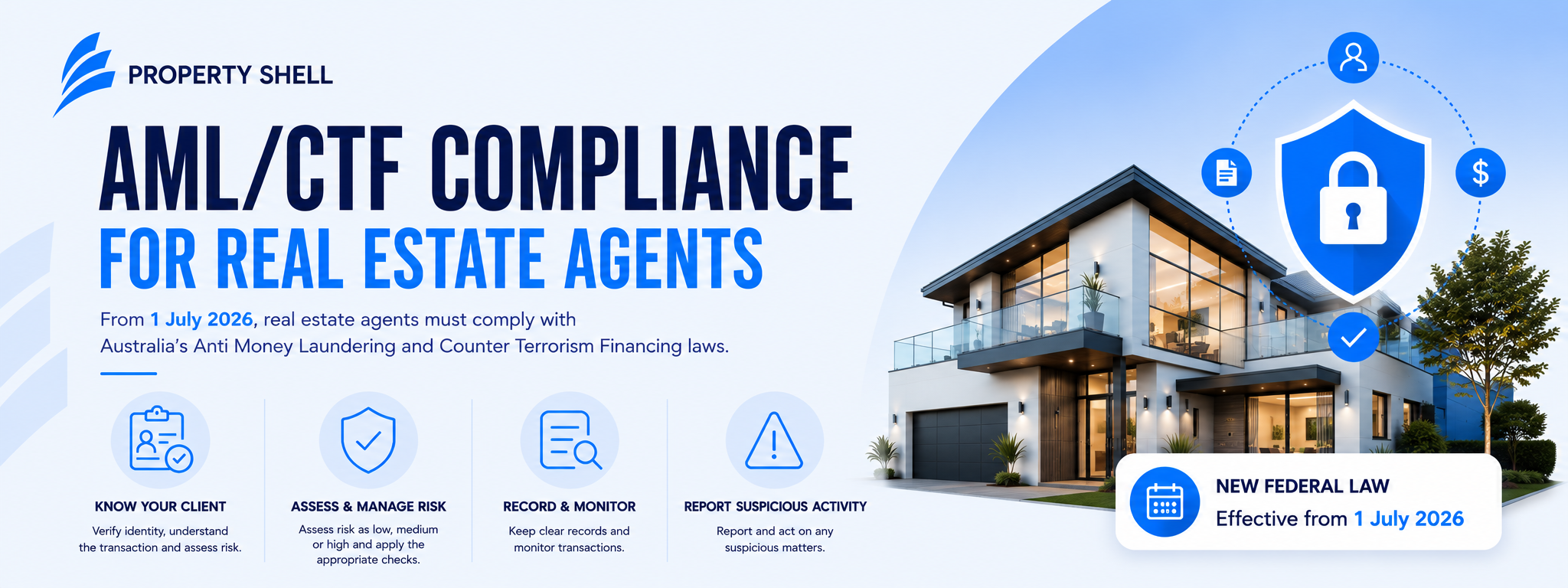

As of July 1, 2026, a new federal law will require real estate agents to comply with Australia Anti Money Laundering and counter terrorism financing laws (AML/CTF). This law has been around for Bank and Finance, but as of July 2026 has been introduced to Property industry. Due to the Property Market moving massive amounts of money, enforcing the integrity of transactions is important to the government.
These laws mean every single agency needs to have every single transaction of their clients to be clearly recorded. Every AML check helps prevent criminal proceeds from entering the property market, protecting the integrity of transactions and the industry as a whole.
This process includes
- Get their full name, date of birth and address
- Primary form of Identification (Drivers License or Passport)
- Understanding why buying and selling
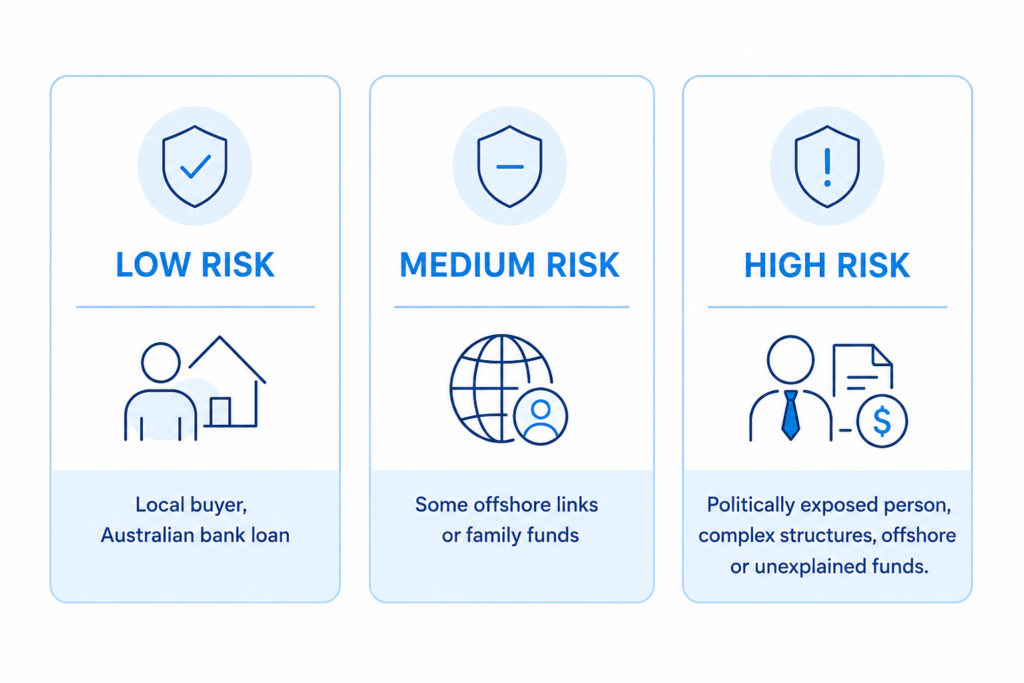
- Assessing the risk low, medium, or high:
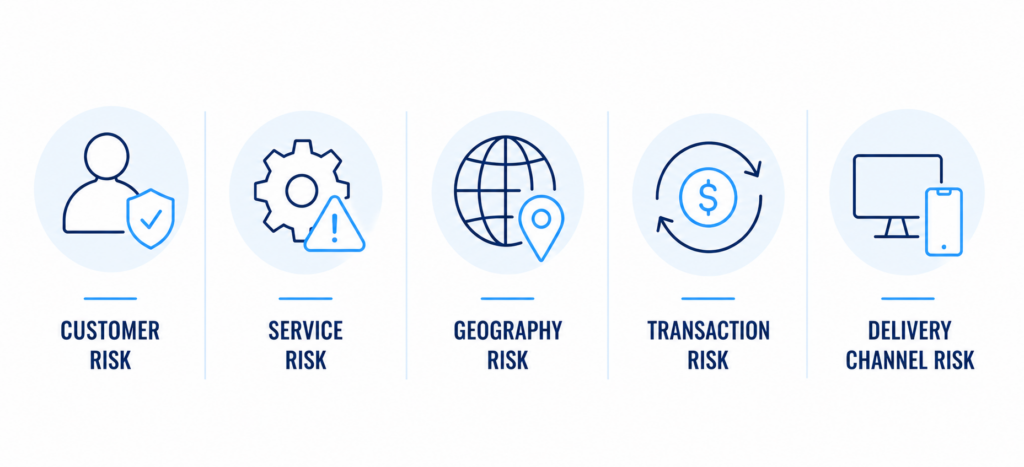
- Types of risk include:
- Applying appropriate checks for level of risk
- Record, monitor and report if suspect money laundering.
What Agencies Are Required to Have in Place by 1 July 2026
- Agencies Must Appoint an AML Compliance Officer
This person is responsible for overseeing the AML program, coordinating training and managing communication with AUSTRAC.
- Build your AML/CTF Program
The law requires agencies to document all policies and procedures for Customer Due Diligence (CDD), including reporting and record keeping. A risk assessment must be built into the program and reviewed at minimum every three years.
- Preparing Your Team
The legislation requires all staff — including sales, administration and management — to be trained on AML/CTF requirements. This includes transaction monitoring, suspicious matter reporting and record keeping.
- Selecting the Appropriate Systems
Agencies are required to have systems in place that support CDD processes and secure record keeping. Platforms such as First AML, AMLHUB, APLYiD and AML Partners have been built specifically for this purpose. Using these trustworthy platforms keeps CRM data secure and automates the CDD process.

Why this is a good thing
- Legislating the market, protects buyers and sellers by reducing the amount of money laundering that is in property markets
- Protecting agents and agency who previously couldn’t follow any procedures for suspected suspicious activity
- Sellers to have more confidence in the legitimacy buyers’ source of funds
What Does This Mean For Property Shell Users?
- AML Compliance criteria can be captured under the sale record of Property Shell, as fields. Questions such as “Have you met the buyer in person?” As to what these fields could be, this compliance criteria/fields should be assessed against what criteria you have within your AML compliance platform
- This information that is recorded in the AML compliance platform or Property Shell can be exchanged/entered in both platforms where you feel there is a need
- Integrations between compliance platforms and Property Shell are actively being considered to exchange data between the platforms
This article is intended for general informational purposes only and does not constitute legal or compliance advice. We recommend seeking independent legal counsel to ensure your agency meets its obligations under the AML/CTF Act.

